
Addressing Modern Business Challenges
In today's fast-paced world, business owners face an array of unpredictable events that can disrupt operations, ranging from natural disasters to cyberattacks. Even the most prepared businesses are not immune to modern risks. Business interruption coverage acts as a critical but often overlooked safety net to ensure financial stability during unforeseen interruptions.Lost Revenue Replacement
Business interruption insurance plays a pivotal role in replacing lost income when eligible downtime occurs due to a direct physical loss such as a fire or storm. Imagine a local restaurant forced to close for three months after a kitchen fire. In such a scenario, business interruption coverage would compensate the lost income, ensuring the continuity of operations once repairs are complete.Coverage of Fixed Expenses
This coverage also extends to paying ongoing fixed costs like rent, utilities, and loan payments, even when business operations come to a halt. This is crucial for maintaining the financial balance needed to keep your business afloat until full operations can resume.Payroll Protection
One of the most reassuring aspects of business interruption insurance is payroll protection. It ensures that businesses can continue paying employees, maintaining workforce stability during a recovery period. Employee retention is essential for the long-term success and morale of any company.Temporary Relocation Support
In cases where businesses need to move operations temporarily, the costs associated with setting up a new workspace are often covered. This was the lifeline for a manufacturing company when their supplier’s facility was destroyed by a tornado, allowing them to continue production without major setbacks.Relevance to Today’s Risks
Modern disruptions such as growing cybersecurity threats and economic instability add layers of complexity that businesses must navigate today. Business interruption insurance provides a buffer to address these evolving challenges and helps mitigate substantial financial losses.Exploring Coverage Types
Understanding the various types of business interruption coverage can further safeguard your operations:- Contingent Business Interruption (CBI): Protects you if a supplier, vendor, or key customer suffers a covered loss, affecting your operations.
- Civil Authority Coverage: Applies when a government entity prevents access to your business due to nearby physical damage.
- Extended Business Interruption Coverage: Continues benefits even after reopening, until income levels return to normal.
Real-World Applications
Consider a retail shop not directly damaged by a chemical spill, but required to close due to civil authorities shutting down the area. Here, the civil authority coverage component helps replace lost revenue and supports the business's continuity plan.Moving Forward with Preparedness
While no business is exempt from risk, having a robust financial buffer like business interruption coverage can differentiate between a temporary shutdown and permanent closure. It provides a strategic component of a comprehensive business continuity plan. Business owners should regularly assess their current policies to ensure they are adequately protected against modern interruptions. It might just be the key to maintaining long-term trust and stability.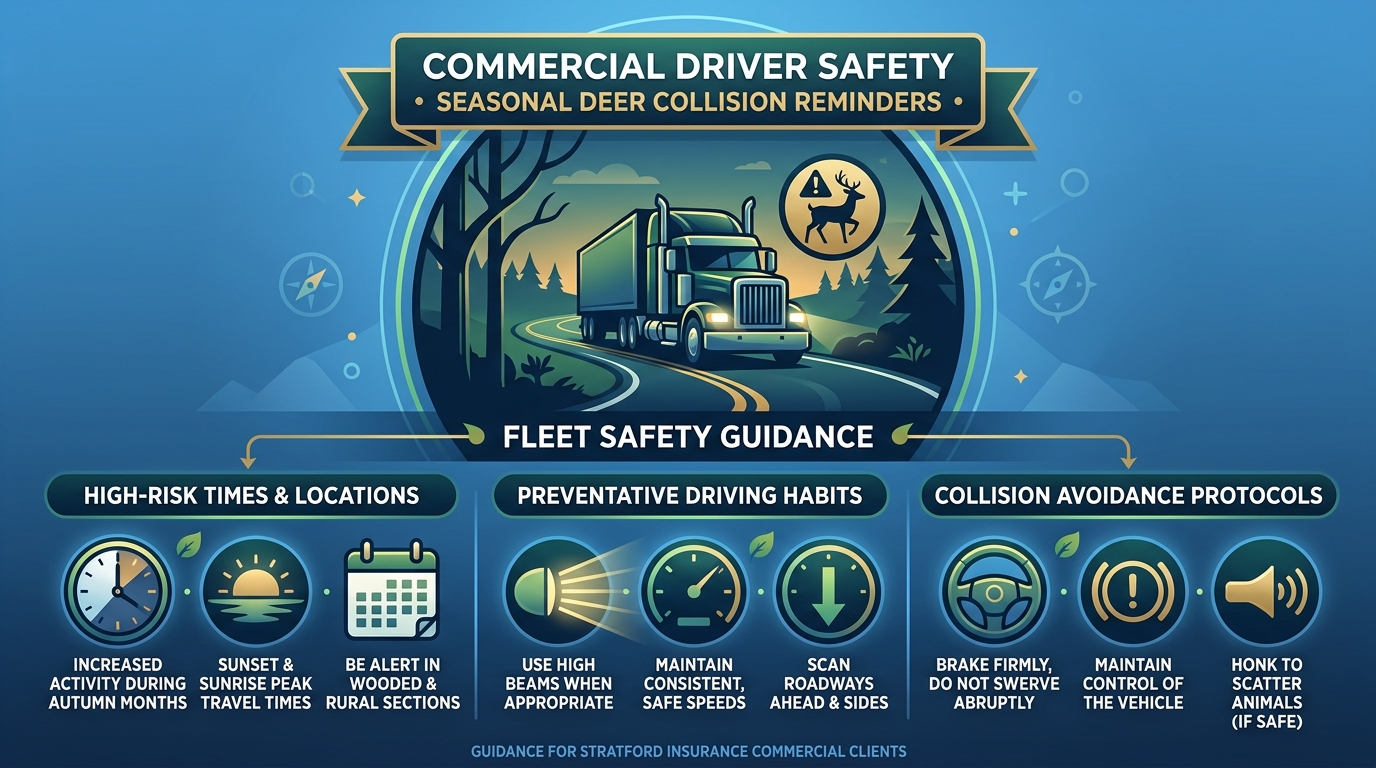
Deer Collision Reminder - Safety Tips - Commercial

A fall insurance checklist for Massachusetts homes, vehicles, and small businesses

Rise in Ransomware Attacks

Fall Prep Tips for Residential Properties

Fall Prevention Awareness Month - Sept. - Tips for Businesses

Cyber Insurance for Businesses: What You Need to Know

Risk Management in Construction Projects
Commercial Umbrella Liability
Does Auto Insurance Follow the Car or the Driver?

When Business Growth Outpaces Insurance Coverage

Boat Liability Risks Most Owners Don’t Think About

Essential Workplace Heat Safety Tips for Hot Weather

Smart Insurance Tips for Protecting Your Summer Vehicles

The Hidden Dangers Small Businesses Face When Underinsured

Staying Safe Behind the Wheel During Distracted Driving Awareness Month

Spring Maintenance Tips for Commercial Properties

Smart Add-Ons That Strengthen Your Commercial Insurance

8 Common Insurance Myths That Could Leave You Unprotected

Spring Safety Tips for Commercial Drivers

Spring Construction Insurance Essentials for Contractors

Why Commercial Umbrella Insurance Is Crucial Today

Understanding Business Interruption Coverage

Secure Your Holiday Joy: Protect Valuables with Insurance

Winter Prep for Commercial Properties

Essential Winter Preparation Tips for Homeowners

Fall Event Liability: Protecting Your Business This Season

8 Smart Strategies to Prevent Jobsite Theft & Vandalism

Deer Collision Safety Tips for Fall Travelers

Embrace Fall with These Essential Safety Tips

Child Passenger Safety: Tips for Safe Car Seat Installation

100 Days Left: Essential Commercial Insurance Check

100 Days Left: Your Personal Insurance Checklist

Insurance Essentials for Safer Construction Projects

Navigating Insurance Needs for College Students

Contractor License Bonds: A Key to Success and Compliance

National Traffic Awareness Month: Enhancing Trucking Safety

Demystifying Commercial Property Insurance Responsibilities

Important Insurance Tips for Hiring Summer Workers

Does General Liability Cover 1099 Workers?

Three Essential Insurance Tips for New Homeowners

Summer Home Prep: Upgrade and Protect Your Property

Summer Prep Tips for Commercial Properties

Understanding Auto Insurance: Protecting Against the Unexpected

Harnessing April for Safer Fleet Operations
View more