
Many homeowners and drivers make decisions based on outdated or inaccurate information about insurance. These misunderstandings can lead to unexpected financial trouble when a claim arises. To help clear the confusion, we're breaking down eight widespread myths about home and auto insurance so you can make informed choices about your coverage.
Myth #1: Red Cars Cost More to Insure
Despite what many believe, the color of your vehicle has no impact on your auto insurance premium. Insurers look at factors like the car’s make, model, age, safety features, how often you drive, and your driving record. Color simply isn’t part of the formula.
Myth #2: Flood Insurance Is Only for Flood Zones
Flooding can happen almost anywhere, not just in designated high-risk zones. Roughly one-quarter of all flood claims come from outside these areas. Standard homeowners policies generally exclude flood damage, so even if you live in a low-risk region, flood insurance is worth thinking about if rainstorms are common where you live.
Myth #3: Older Cars Don’t Need Full Coverage
Although older vehicles tend to depreciate, liability insurance is still required in most states no matter how old your car is. Beyond that, if you rely on your vehicle for daily life and wouldn’t be able to cover a major repair or replacement out of pocket, collision and comprehensive coverage can still provide essential protection.
Myth #4: Homeowners Insurance Covers All Personal Belongings
Your homeowners policy includes personal property protection, but coverage limits typically apply. High-value possessions such as jewelry, antiques, or specialty electronics may exceed those limits. To safeguard these items fully, you may need to list them individually through additional endorsements or separate policies.
Myth #5: Anyone Who Drives Your Car Is Covered
Policies don’t always extend automatically to every driver. While occasional drivers with your permission may be included, restrictions often apply—especially if the vehicle is used for business, deliveries, or ridesharing. If someone frequently uses your car or drives it for work, make sure the policy provides adequate coverage for them.
Myth #6: A Strong Savings Account Makes Homeowners Insurance Unnecessary
Even with solid savings, a major loss can create significant financial strain. Homeowners insurance protects far more than the building itself. It also covers liability if someone is injured on your property, your personal belongings, and additional living expenses if your home becomes uninhabitable. Considering the average rebuild cost now exceeds $320,000, skipping coverage can expose you to major risks.
Myth #7: Car Insurance Always Covers Rental Vehicles
Your personal auto policy may apply to rental cars, but usually only for personal use. Renting a vehicle for business or commercial reasons often falls outside of standard coverage. Confirm your protection before turning down the rental company’s insurance option.
Myth #8: Credit Scores Don’t Affect Insurance Rates
In many states, insurers use credit-based insurance scores as part of their pricing process because research shows a relationship between credit habits and risk levels. If your credit has improved, informing your agent may help lower your premium.
Smart Ways to Prevent Coverage Gaps
Being proactive about your insurance can help you stay protected from unexpected losses. These tips can make a big difference:
- Review your policies yearly, especially after major life changes.
- Ask your agent to explain exclusions so you understand what isn’t covered.
- Create an inventory or keep updated photos and values of your property for smoother claims.
- Learn the difference between replacement cost and actual cash value, as this affects claim payouts.
- Consider whether you could financially recover if you had to file a claim today.
When to Reevaluate Your Coverage
Your insurance should evolve as your life changes. It’s a good idea to review your policies when any of the following occur:
- You buy or sell a home or vehicle.
- You renovate or upgrade your property.
- You experience major life events such as marriage, divorce, or the birth of a child.
- A teen or new driver joins your household.
- You start a business or take on a new side job.
- Your financial situation shifts due to income or credit score changes.
Whether you’ve believed one of these myths or simply want to make sure your coverage still aligns with your needs, now is an ideal time to take a closer look. Understanding the facts can help you stay better protected and avoid unwelcome surprises down the line. If you’d like help reviewing your policies or exploring your options, reach out anytime for guidance tailored to your situation.
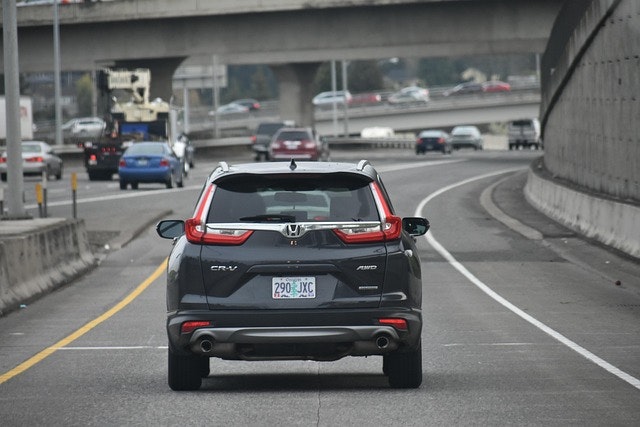
Does Auto Insurance Follow the Car or the Driver?
When Business Growth Outpaces Insurance Coverage

Boat Liability Risks Most Owners Don’t Think About

Essential Workplace Heat Safety Tips for Hot Weather

Smart Insurance Tips for Protecting Your Summer Vehicles

The Hidden Dangers Small Businesses Face When Underinsured

Staying Safe Behind the Wheel During Distracted Driving Awareness Month

Spring Maintenance Tips for Commercial Properties

Smart Add-Ons That Strengthen Your Commercial Insurance

8 Common Insurance Myths That Could Leave You Unprotected

Spring Safety Tips for Commercial Drivers

Spring Construction Insurance Essentials for Contractors

Why Commercial Umbrella Insurance Is Crucial Today

Understanding Business Interruption Coverage

Secure Your Holiday Joy: Protect Valuables with Insurance

Winter Prep for Commercial Properties

Essential Winter Preparation Tips for Homeowners

Fall Event Liability: Protecting Your Business This Season

8 Smart Strategies to Prevent Jobsite Theft & Vandalism

Deer Collision Safety Tips for Fall Travelers

Embrace Fall with These Essential Safety Tips

Child Passenger Safety: Tips for Safe Car Seat Installation

100 Days Left: Essential Commercial Insurance Check

100 Days Left: Your Personal Insurance Checklist

Insurance Essentials for Safer Construction Projects

Navigating Insurance Needs for College Students

Contractor License Bonds: A Key to Success and Compliance

National Traffic Awareness Month: Enhancing Trucking Safety

Demystifying Commercial Property Insurance Responsibilities

Important Insurance Tips for Hiring Summer Workers

Does General Liability Cover 1099 Workers?

Three Essential Insurance Tips for New Homeowners

Summer Home Prep: Upgrade and Protect Your Property

Summer Prep Tips for Commercial Properties

Understanding Auto Insurance: Protecting Against the Unexpected
