Business expansion is exciting, often signaling increasing demand, a wider customer base, and positive momentum. But while growth brings new opportunities, it can also introduce unseen risks, especially when insurance coverage doesn’t evolve along with your operations. Many policies are built around outdated information, which can create vulnerabilities during claims or contract negotiations. Understanding how expansion affects your protection is key to keeping your business secure.
Insurance Reflects a Moment in Time
When you first obtain insurance, your policy is customized to match the business details available at that moment. These factors typically include revenue, payroll, equipment values, and the specific nature of your work. As time passes, those elements naturally shift. You may hire more employees, upgrade tools, increase production volume, or branch into new markets.
However, the policy you originally purchased doesn’t automatically adjust to mirror these changes. This creates a growing gap between your current operations and the coverage meant to protect them. Without routine updates, your business may be exposed to risks you didn’t anticipate.
New Equipment Often Goes Unaccounted For
Businesses commonly invest in new equipment and technology as they grow. Whether buying machinery, tools, or improved systems, these additions support efficiency and expansion. Despite their value, these assets are not always added to insurance policies right away.
If your coverage limits were set before these upgrades, they may no longer reflect the true cost of replacing your equipment after a loss. This could leave you paying out of pocket to make up the difference. Consistently updating your equipment values helps ensure you’re adequately covered.
Larger Contracts Come With Higher Expectations
Growth often opens the door to bigger clients and more complex agreements. While these opportunities strengthen your business, they frequently introduce new insurance requirements. You may encounter requests for elevated liability limits or endorsements that name clients as additional insureds.
If your current policy doesn’t meet these conditions, it may delay contract approvals or complicate your negotiations. Reviewing your insurance before entering new agreements helps you avoid last-minute challenges and shows your business is prepared and professional.
Inventory Increases Can Expand Your Risk
As demand rises, many businesses increase inventory levels. Although this is a natural part of scaling, it also raises the stakes when a loss occurs. A policy written when your stock was lower may not provide enough coverage for today’s inventory value.
If a fire, theft, or another covered event damages your goods, you could face losses that exceed your policy limits. Regularly assessing your inventory ensures your coverage reflects your true exposure.
Hiring More Employees Affects Coverage
Growth often means expanding your team. With more employees comes additional responsibility and risk. Workers’ compensation is tied to payroll, and liability exposure increases as more people contribute to operations. Job duties may also shift as teams evolve, which can affect how employees are classified within your policy.
If these updates aren’t made in a timely manner, you may face complications during a claim or unexpected adjustments during a policy audit. Keeping payroll figures and job classifications accurate is essential for proper protection.
New Locations Introduce New Exposures
Opening a second office, warehouse, or storefront is a major milestone, but it also brings new risk factors. Each location carries its own property exposures, liability concerns, and operational details. Some insurance policies offer temporary coverage for newly acquired spaces, but these provisions are typically limited.
Failing to formally add a new location to your policy can leave that site underinsured or completely unprotected. Updating your coverage ensures every part of your business is included.
Expanding Your Services Changes Your Risk Profile
Adding new services or expanding your capabilities can help your business stand out, but it also adjusts your risk exposure. Insurance policies are built around the specific activities your business performs. If your offerings evolve but your policy doesn’t, you may unintentionally operate without adequate coverage.
Keeping your insurer updated on your services helps ensure your policy accurately reflects your current operations, reducing the chance of complications if you need to file a claim.
Why a Mid-Year Review Makes a Difference
Many business owners only review their insurance at renewal, but growth rarely follows a strict timeline. Significant operational changes can occur within just a few months. A mid-year insurance review provides a valuable checkpoint to evaluate your current risks and update your policy before gaps widen.
This review allows you to refresh details like payroll, revenue, property values, and operational changes. Even a brief assessment can highlight areas needing attention and help keep your business protected as it grows.
Staying Aligned With Your Success
Growth is something to be proud of, but it also requires proactive planning. As your business expands, your insurance should evolve alongside it. Small changes—adding new equipment, increasing inventory, hiring staff—can accumulate quickly and create coverage gaps if left unaddressed.
Taking time to review your policies can help prevent future complications and ensure your business remains protected at every stage. If you’ve experienced recent growth, connecting with your insurance advisor is a smart step to confirm your coverage reflects your current needs and future plans.
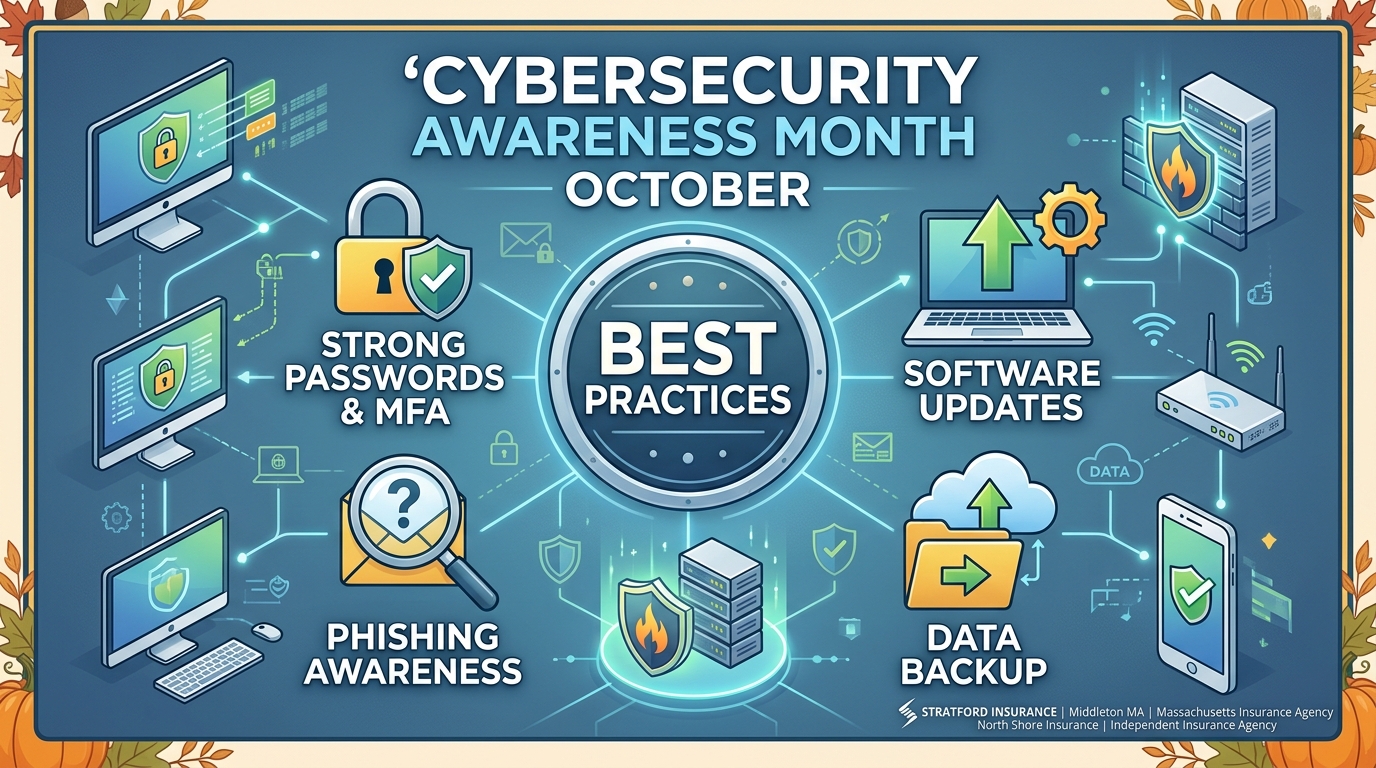
Cybersecurity Awareness Month - Best Practices - October
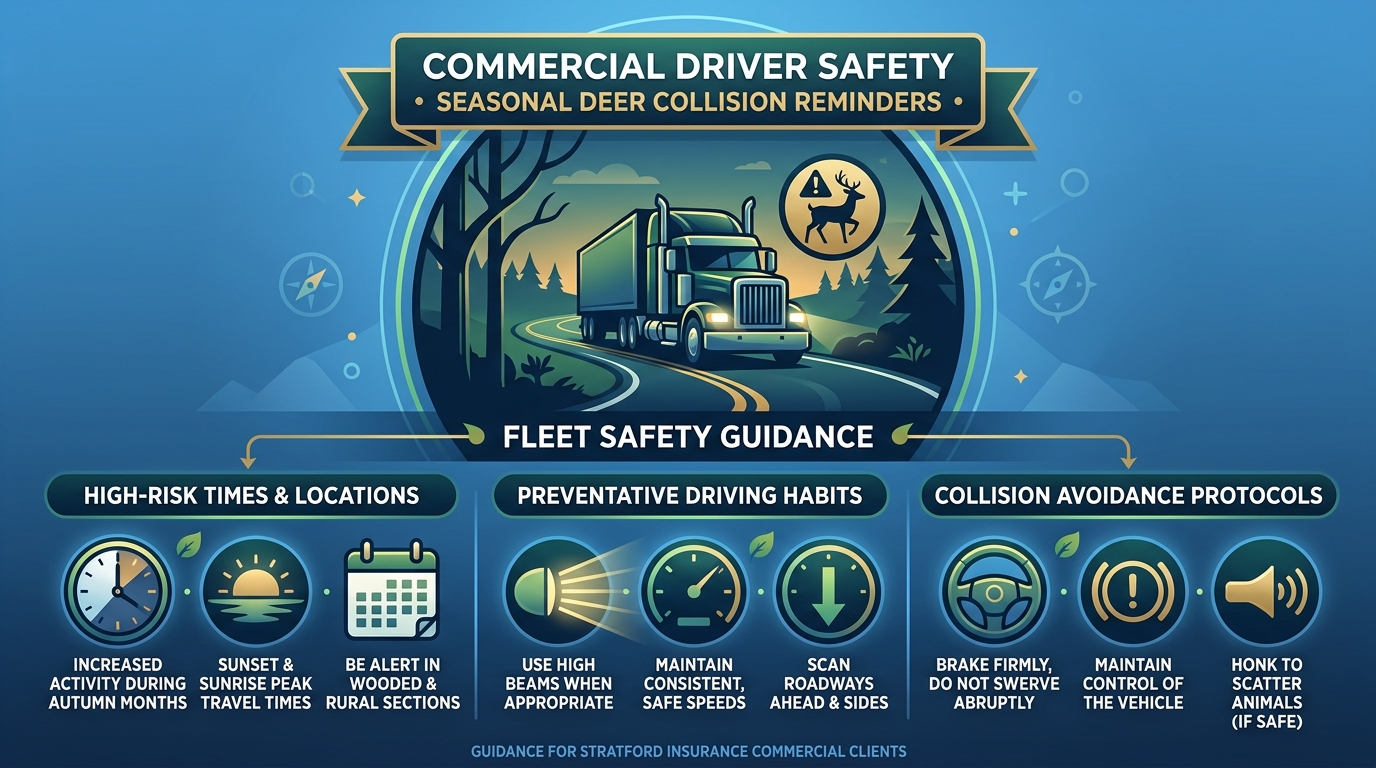
Deer Collision Reminder - Safety Tips - Commercial

A fall insurance checklist for Massachusetts homes, vehicles, and small businesses

Rise in Ransomware Attacks

Fall Prep Tips for Residential Properties

Fall Prevention Awareness Month - Sept. - Tips for Businesses

Cyber Insurance for Businesses: What You Need to Know

Risk Management in Construction Projects

Commercial Umbrella Liability
Does Auto Insurance Follow the Car or the Driver?

When Business Growth Outpaces Insurance Coverage

Boat Liability Risks Most Owners Don’t Think About

Essential Workplace Heat Safety Tips for Hot Weather

Smart Insurance Tips for Protecting Your Summer Vehicles

The Hidden Dangers Small Businesses Face When Underinsured

Staying Safe Behind the Wheel During Distracted Driving Awareness Month

Spring Maintenance Tips for Commercial Properties

Smart Add-Ons That Strengthen Your Commercial Insurance

8 Common Insurance Myths That Could Leave You Unprotected

Spring Safety Tips for Commercial Drivers

Spring Construction Insurance Essentials for Contractors

Why Commercial Umbrella Insurance Is Crucial Today

Understanding Business Interruption Coverage

Secure Your Holiday Joy: Protect Valuables with Insurance

Winter Prep for Commercial Properties

Essential Winter Preparation Tips for Homeowners

Fall Event Liability: Protecting Your Business This Season

8 Smart Strategies to Prevent Jobsite Theft & Vandalism

Deer Collision Safety Tips for Fall Travelers

Embrace Fall with These Essential Safety Tips

Child Passenger Safety: Tips for Safe Car Seat Installation

100 Days Left: Essential Commercial Insurance Check

100 Days Left: Your Personal Insurance Checklist

Insurance Essentials for Safer Construction Projects

Navigating Insurance Needs for College Students

Contractor License Bonds: A Key to Success and Compliance

National Traffic Awareness Month: Enhancing Trucking Safety

Demystifying Commercial Property Insurance Responsibilities

Important Insurance Tips for Hiring Summer Workers

Does General Liability Cover 1099 Workers?

Three Essential Insurance Tips for New Homeowners

Summer Home Prep: Upgrade and Protect Your Property

Summer Prep Tips for Commercial Properties

Understanding Auto Insurance: Protecting Against the Unexpected
