
Many drivers wonder whether auto insurance applies to the vehicle or the person operating it. The answer is essential for anyone who has ever lent their car to a friend or borrowed someone else's vehicle. While insurance typically follows the car, certain exceptions can shift how coverage is applied, and understanding these details can help Massachusetts drivers make informed decisions.
At Stratford Insurance, our team often helps clients navigate these situations so they can feel confident in their coverage. Knowing what your policy does and does not cover is key to avoiding unexpected expenses and making smart choices when sharing a vehicle.
The General Rule: Coverage Usually Stays With the Vehicle
Most auto insurance policies are connected to a specific vehicle rather than the individual driving it. When an accident occurs, the insurance tied to that vehicle typically serves as the primary liability coverage. This means that even if someone else is operating your car, your policy is the first to respond—assuming the driver had your permission.
Liability insurance is designed to address damage or injuries you cause to others. Because it is linked to the insured vehicle, it generally applies regardless of who was behind the wheel. For example, if a friend borrows your car and causes an accident, your policy usually steps in to cover costs up to your outlined limits.
In situations where damages exceed your coverage limits, the driver’s own policy may offer secondary protection. This stackable approach reinforces the importance of carrying adequate limits so you’re not caught unprepared.
When the Standard Rule Changes
Although insurance commonly follows the vehicle, there are times when coverage may shift—or be denied entirely. These exceptions often cause confusion and may lead to unexpected out-of-pocket expenses if you’re not aware of them.
How Permission Affects Coverage
Most policies extend coverage when the vehicle owner grants permission to another driver. This is commonly known as “permissive use.”
However, if someone operates your car without your consent, your insurer may refuse coverage altogether. Permission is one of the most important factors carriers consider when determining whether a claim should be accepted.
The Impact of Excluded Drivers
Many policies include a section listing excluded drivers—individuals who are specifically removed from coverage due to risk factors like a poor driving history. If an excluded driver uses your vehicle and is involved in an accident, your insurance company may deny the claim.
In these cases, both the vehicle owner and the driver may be held financially responsible for the damage. It’s a reminder to review your policy carefully and know who is and isn’t allowed to operate your car.
Household Drivers Must Be Listed
Insurance carriers usually expect all household members who regularly drive your car to be listed on your policy. This information helps insurers evaluate overall risk and determine accurate premiums.
If someone living in your home frequently uses your vehicle but isn’t listed, the insurer may limit or deny coverage in the event of a claim. Keeping your policy updated ensures proper protection and avoids complications down the line.
Business Use Can Change Your Coverage
Using your personal vehicle for work-related tasks can also affect how your insurance responds. Activities such as transporting clients, delivering goods, or using your vehicle as part of business operations may fall outside a standard personal auto policy.
In these cases, you may need additional endorsements or a commercial auto policy to ensure appropriate coverage. Stratford Insurance helps clients throughout Middleton, MA understand whether a commercial policy is necessary based on their unique needs.
Ride-Sharing and Delivery Services Introduce Added Complexity
Working with ride-sharing or delivery platforms can create additional coverage gaps. Many personal auto policies specifically exclude accidents that occur while you’re engaged in these services unless you have purchased the appropriate add-on coverage.
While some companies offer a degree of protection, it may not apply during the entire service period. This makes it crucial to understand when you are—and are not—covered before you start driving for these platforms.
Real-World Scenarios to Help Clarify
Consider a situation where you lend your car to a friend for a quick errand. If they accidentally cause an accident, your insurance typically steps in first because the vehicle itself is insured under your policy. Your liability limits would be used to cover damage or injury claims. If the total costs exceed those limits, your friend’s insurance could help cover the difference.
Now imagine the opposite situation: your car is in the shop, and you borrow a friend’s vehicle. If you’re involved in a collision, their insurance usually applies first since the policy follows the vehicle. Your own policy may offer secondary coverage if needed. These examples demonstrate how multiple policies can work together depending on the circumstances.
Why Understanding Policy Details Matters
Auto insurance policies are highly detailed documents, and even small variations can significantly influence how a claim is handled. Factors like listed drivers, specific exclusions, endorsements, and state regulations all shape the way your insurer responds after an accident.
Two policies that appear similar may deliver very different results, which is why it’s important to review your coverage regularly. Knowing your policy’s strengths and limitations helps you avoid costly surprises.
Considerations Before Lending Your Car
Letting someone borrow your vehicle can feel like a simple act of kindness, but it does carry responsibility. Before handing over your keys, think about whether the person has a valid driver’s license, a solid driving record, and an understanding of how to handle unexpected situations on the road.
It’s also helpful to check your current liability limits to ensure they provide sufficient protection. Reviewing your policy for any restrictions on who can operate your vehicle can prevent complications if an accident occurs.
Awareness Helps Protect You
While the general principle is that insurance follows the vehicle, exceptions related to permission, exclusions, and how the car is used can significantly change how coverage applies. The more familiar you are with your policy, the more prepared you’ll be when lending or borrowing a vehicle.
If you’re unsure how your auto coverage applies in a particular situation or want help reviewing your existing policy, the team at Stratford Insurance is here to assist. As an independent Massachusetts insurance agency serving Middleton and the North Shore, we provide personalized guidance and tailored insurance coverage to help protect local families and businesses. A quick call to (617) 394-9300 can give you peace of mind before you lend or borrow a vehicle.
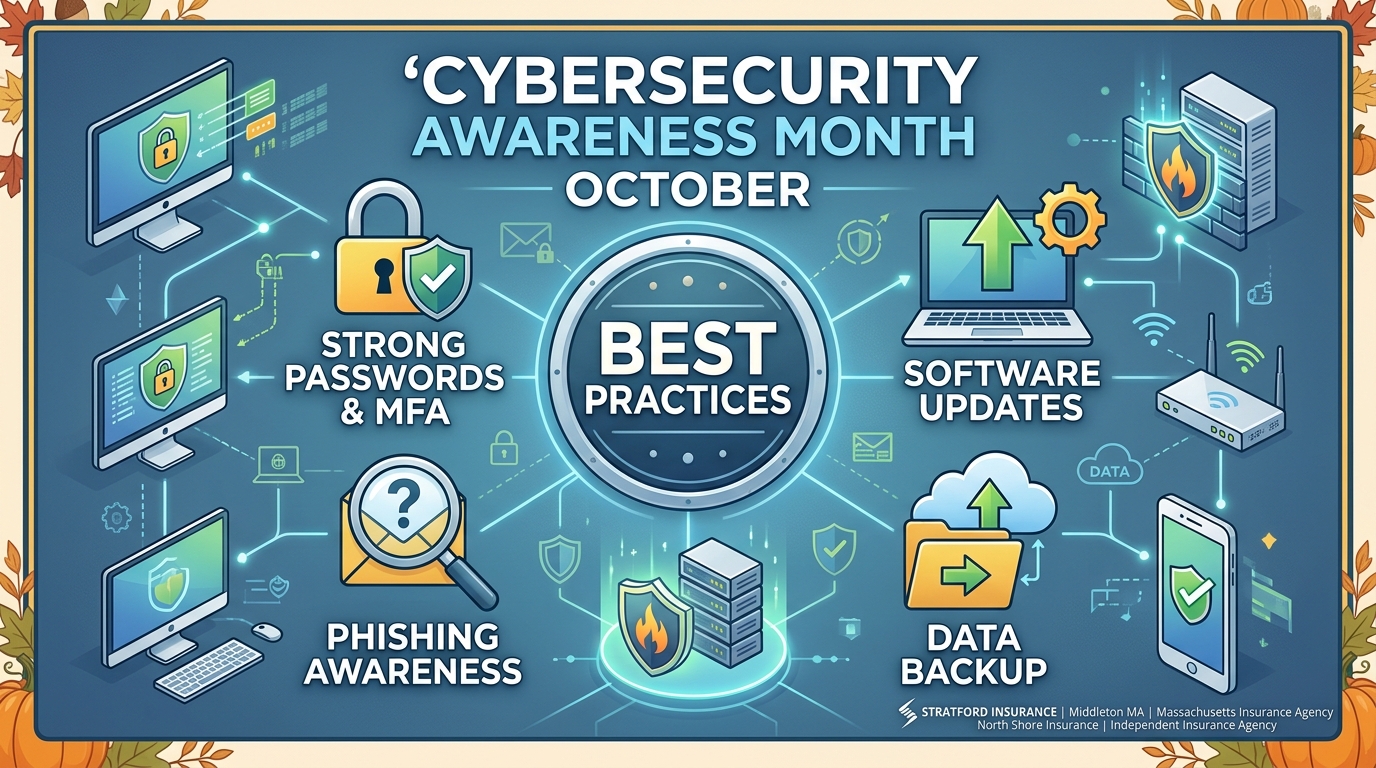
Cybersecurity Awareness Month - Best Practices - October
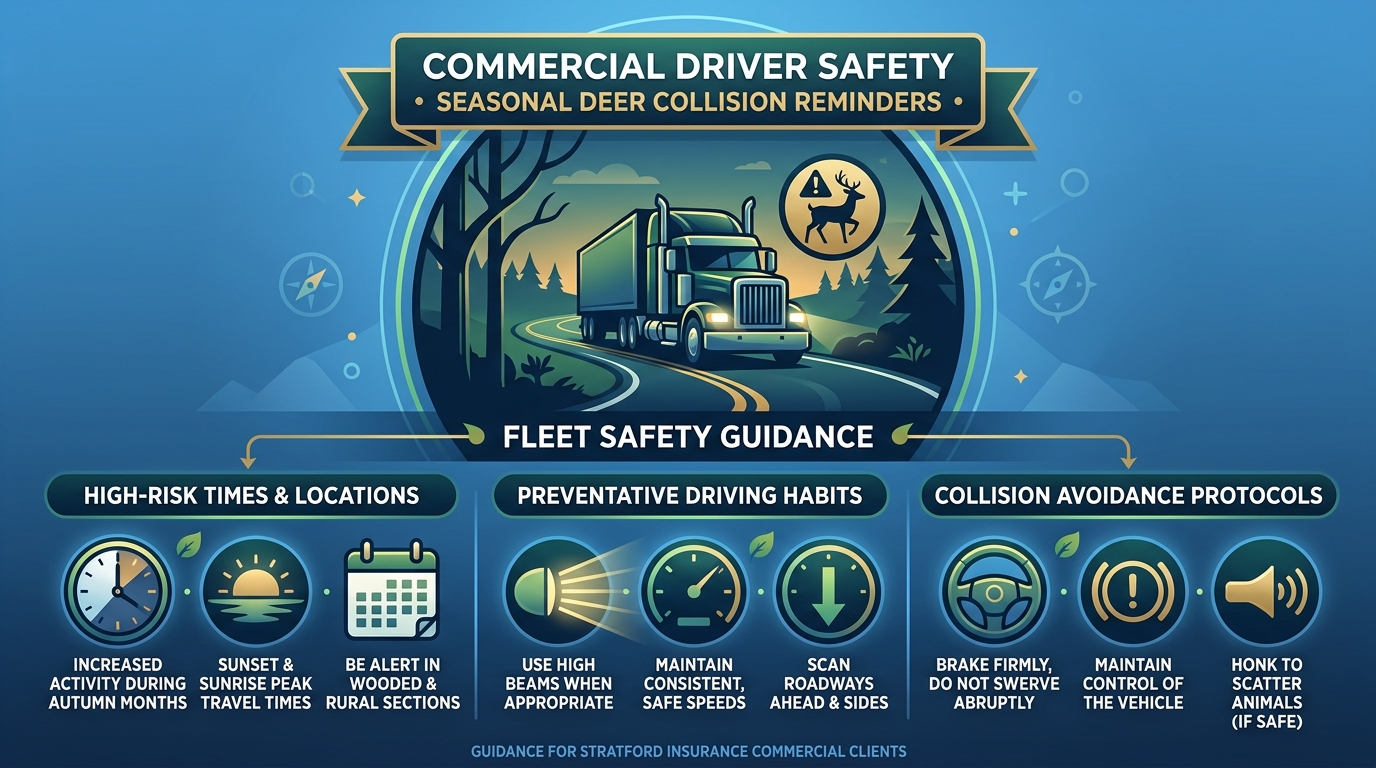
Deer Collision Reminder - Safety Tips - Commercial

A fall insurance checklist for Massachusetts homes, vehicles, and small businesses

Rise in Ransomware Attacks

Fall Prep Tips for Residential Properties

Fall Prevention Awareness Month - Sept. - Tips for Businesses

Cyber Insurance for Businesses: What You Need to Know

Risk Management in Construction Projects

Commercial Umbrella Liability
Does Auto Insurance Follow the Car or the Driver?

When Business Growth Outpaces Insurance Coverage

Boat Liability Risks Most Owners Don’t Think About

Essential Workplace Heat Safety Tips for Hot Weather

Smart Insurance Tips for Protecting Your Summer Vehicles

The Hidden Dangers Small Businesses Face When Underinsured
Staying Safe Behind the Wheel During Distracted Driving Awareness Month

Spring Maintenance Tips for Commercial Properties

Smart Add-Ons That Strengthen Your Commercial Insurance

8 Common Insurance Myths That Could Leave You Unprotected

Spring Safety Tips for Commercial Drivers

Spring Construction Insurance Essentials for Contractors

Why Commercial Umbrella Insurance Is Crucial Today

Understanding Business Interruption Coverage

Secure Your Holiday Joy: Protect Valuables with Insurance

Winter Prep for Commercial Properties

Essential Winter Preparation Tips for Homeowners

Fall Event Liability: Protecting Your Business This Season

8 Smart Strategies to Prevent Jobsite Theft & Vandalism

Deer Collision Safety Tips for Fall Travelers

Embrace Fall with These Essential Safety Tips
Child Passenger Safety: Tips for Safe Car Seat Installation

100 Days Left: Essential Commercial Insurance Check

100 Days Left: Your Personal Insurance Checklist

Insurance Essentials for Safer Construction Projects

Navigating Insurance Needs for College Students

Contractor License Bonds: A Key to Success and Compliance

National Traffic Awareness Month: Enhancing Trucking Safety

Demystifying Commercial Property Insurance Responsibilities

Important Insurance Tips for Hiring Summer Workers

Does General Liability Cover 1099 Workers?

Three Essential Insurance Tips for New Homeowners

Summer Home Prep: Upgrade and Protect Your Property

Summer Prep Tips for Commercial Properties
Understanding Auto Insurance: Protecting Against the Unexpected
