
September's Fall Prevention Awareness Month offers businesses a valuable chance to reassess how they handle everyday safety risks. Although many organizations focus on major hazards, slips, trips, and falls continue to be among the most frequent causes of workplace injuries. These incidents can affect employees, customers, vendors, and visitors, resulting in costly disruptions and unexpected liabilities. For businesses throughout Massachusetts, including those supported by Stratford Insurance, staying proactive can make a meaningful difference.
Most slip-and-fall accidents can be avoided with consistent maintenance, employee awareness, and intentional safety planning. Even minor issues that seem insignificant can turn into serious risks when overlooked. Using this annual observance as a reminder to revisit safety procedures allows organizations to strengthen their prevention strategies and reinforce long-term safety habits.
Why Preventing Slips, Trips, and Falls Is Essential
Accidents involving slipping or tripping can happen in nearly any workplace setting. Offices, retail shops, industrial spaces, restaurants, construction sites, and healthcare facilities all face challenges both indoors and outdoors. What makes these incidents especially concerning is that many stem from conditions that could have been addressed with basic precautions.
Hazards such as loose wiring across a walkway, a wet floor without a warning sign, or dim lighting in stairwells may not seem urgent at first. However, any of these situations can lead to severe injuries, workers’ compensation claims, customer safety issues, and interruptions to daily operations. Preventing falls helps protect people while also supporting business continuity—an essential priority for any Massachusetts insurance agency like Stratford Insurance that emphasizes risk management.
Keep Walkways and Shared Spaces Free of Obstacles
Maintaining clean, orderly spaces is one of the most effective ways to minimize fall risks. Cluttered corridors, equipment left in common areas, tangled cords, or changes in floor surfaces can all become hazards for anyone moving through a building.
Businesses should encourage employees to keep work areas tidy and ensure that shared spaces remain unobstructed throughout the day. Establishing clear housekeeping expectations helps make safety a routine responsibility rather than an occasional task.
Regular walkthroughs can also help identify potential issues early. When maintaining organization becomes part of a company’s culture, workplaces are naturally safer and more efficient.
Manage Wet or Slippery Surfaces Quickly
Moisture is one of the most common causes of slip-related accidents. Spills, tracked-in rain, melting snow, or recently cleaned floors can all create hazards if not addressed right away.
Businesses can reduce these risks by placing high-quality mats near entry points, displaying highly visible caution signs around wet floors, and training employees on quick cleanup procedures. These simple measures help alert people to potential dangers while decreasing the chance of accidents.
Seasonal weather patterns in New England add additional challenges. During periods of rain, snow, or ice, entrances, sidewalks, and parking areas should be checked regularly for moisture buildup and addressed promptly.
Enhance Lighting Throughout the Workplace
Good visibility is essential for fall prevention. Without proper lighting, people may struggle to see obstacles, uneven surfaces, or subtle changes in flooring. This can increase the risk of accidents both indoors and outdoors.
Businesses should assess lighting quality in stairwells, parking lots, entrances, loading zones, and hallways. Ensuring these areas are well-lit makes it easier for everyone to move safely throughout the property.
As daylight hours decrease later in the year, checking for burnt-out bulbs and repairing malfunctioning fixtures becomes even more important. A well-lit environment supports both safety and comfort for employees and visitors.
Inspect Exterior Areas Regularly
Outdoor spaces can present significant hazards if not monitored consistently. Cracked pavement, uneven walkways, loose railings, and seasonal debris such as wet leaves can all contribute to falls.
Businesses should routinely evaluate parking lots, exterior steps, sidewalks, and entrances to identify any issues needing repair. Addressing concerns promptly improves safety and may help reduce liability risks—an essential component of tailored insurance coverage and risk management strategies emphasized by Stratford Insurance.
Focus on Ladder and Equipment Safety
In workplaces where employees use ladders, scaffolding, or elevated platforms, fall prevention requires additional oversight. Equipment used at heights must be maintained carefully to help protect workers from serious injuries.
Routine equipment inspections are crucial. Any item that shows signs of damage should be removed from use immediately. Equally important is ensuring that employees receive proper training before working at elevation.
When businesses invest in both equipment care and employee education, they significantly lower the risk of fall-related incidents.
Encourage the Use of Proper Footwear
Appropriate footwear can help reduce the likelihood of slipping, especially in environments where floors may become wet, greasy, or slick. The right shoes provide traction that supports safer movement.
Employees should choose footwear that aligns with their job duties and working environment. Slip-resistant shoes may be especially helpful in industries such as food service, healthcare, warehousing, and hospitality.
Although footwear alone cannot prevent all accidents, it offers an additional defensive layer when paired with broader safety efforts.
Make Safety Training Part of the Routine
Employee education remains one of the strongest elements of any fall prevention plan. Workers who understand potential hazards can identify risks early and take action to prevent accidents.
New hires are often more vulnerable during their early months on the job because they are still learning procedures. Comprehensive onboarding combined with recurring safety training helps close this learning gap.
Topics such as spotting hazards, managing spills, using ladders safely, navigating workplace surfaces, and reporting issues should all be incorporated into regular training. Ongoing reminders and discussions help keep safety top of mind throughout the year.
Supporting Workplace Safety Through Prevention
Fall Prevention Awareness Month is an important reminder that maintaining a safe workplace requires continuous effort. By prioritizing housekeeping, regular inspections, proper lighting, well-maintained equipment, ongoing training, and awareness of hazards, businesses can take meaningful action to reduce slips, trips, and falls.
A proactive safety approach not only protects employees, customers, and guests but also supports smoother operations and reduces potential disruptions. For businesses seeking guidance on insurance considerations, risk management strategies, or coverage options tailored to their needs, Stratford Insurance in Middleton, MA is here to help with personalized insurance service and expert support.
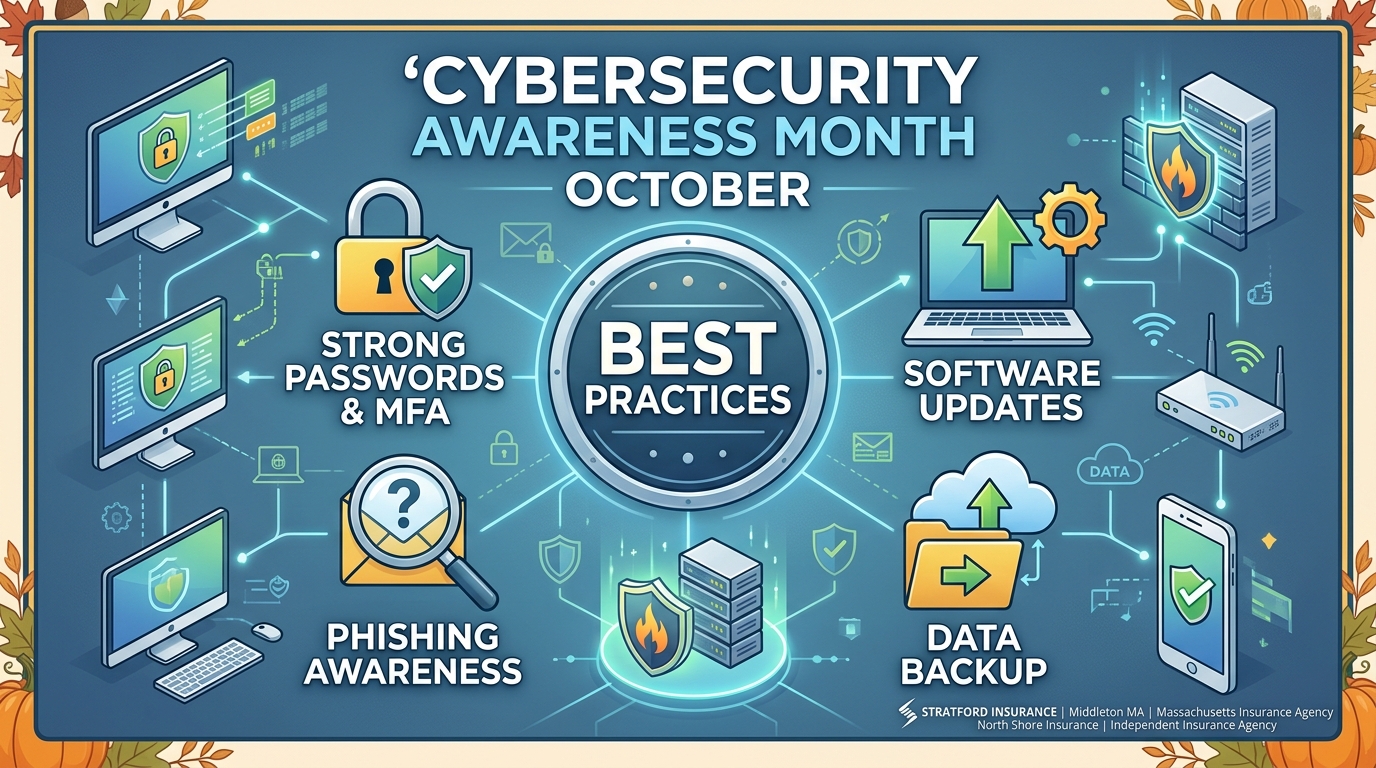
Cybersecurity Awareness Month - Best Practices - October
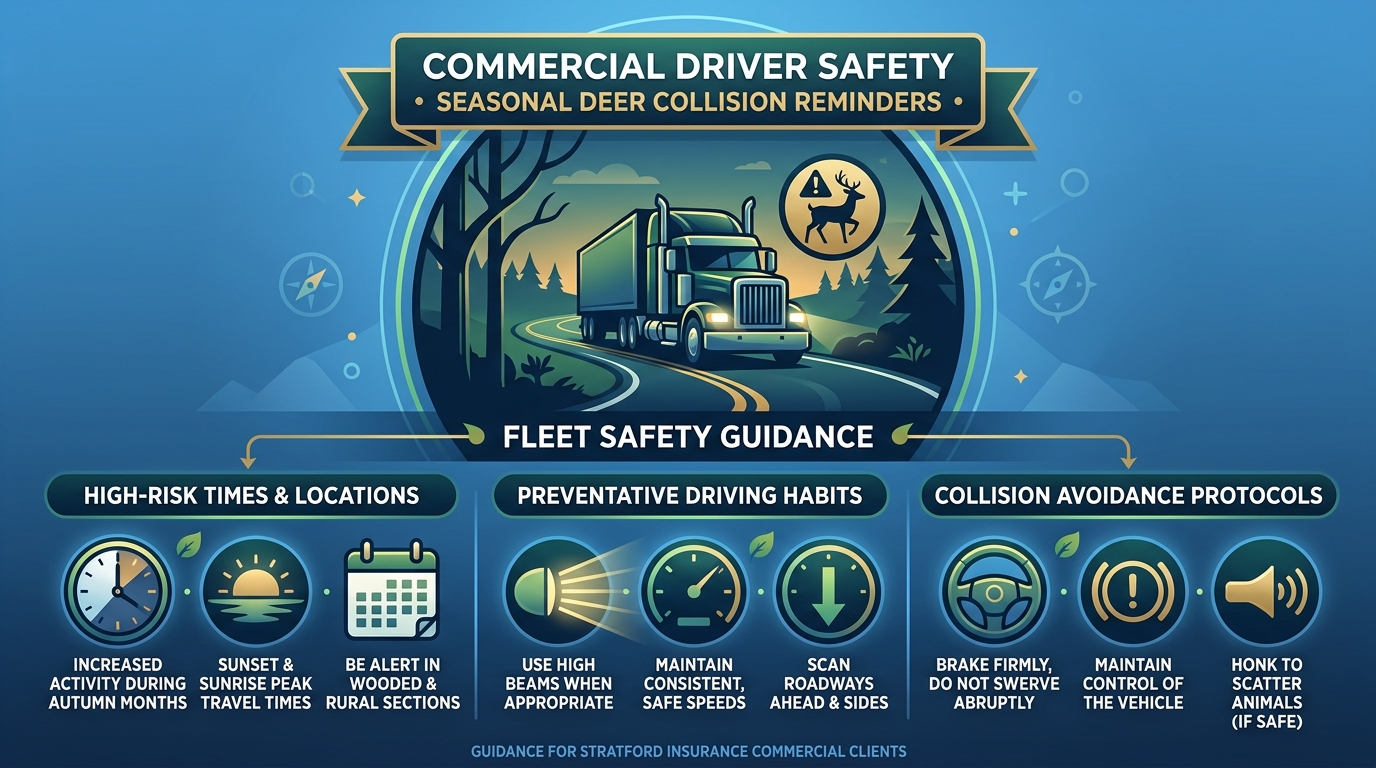
Deer Collision Reminder - Safety Tips - Commercial

A fall insurance checklist for Massachusetts homes, vehicles, and small businesses

Rise in Ransomware Attacks

Fall Prep Tips for Residential Properties
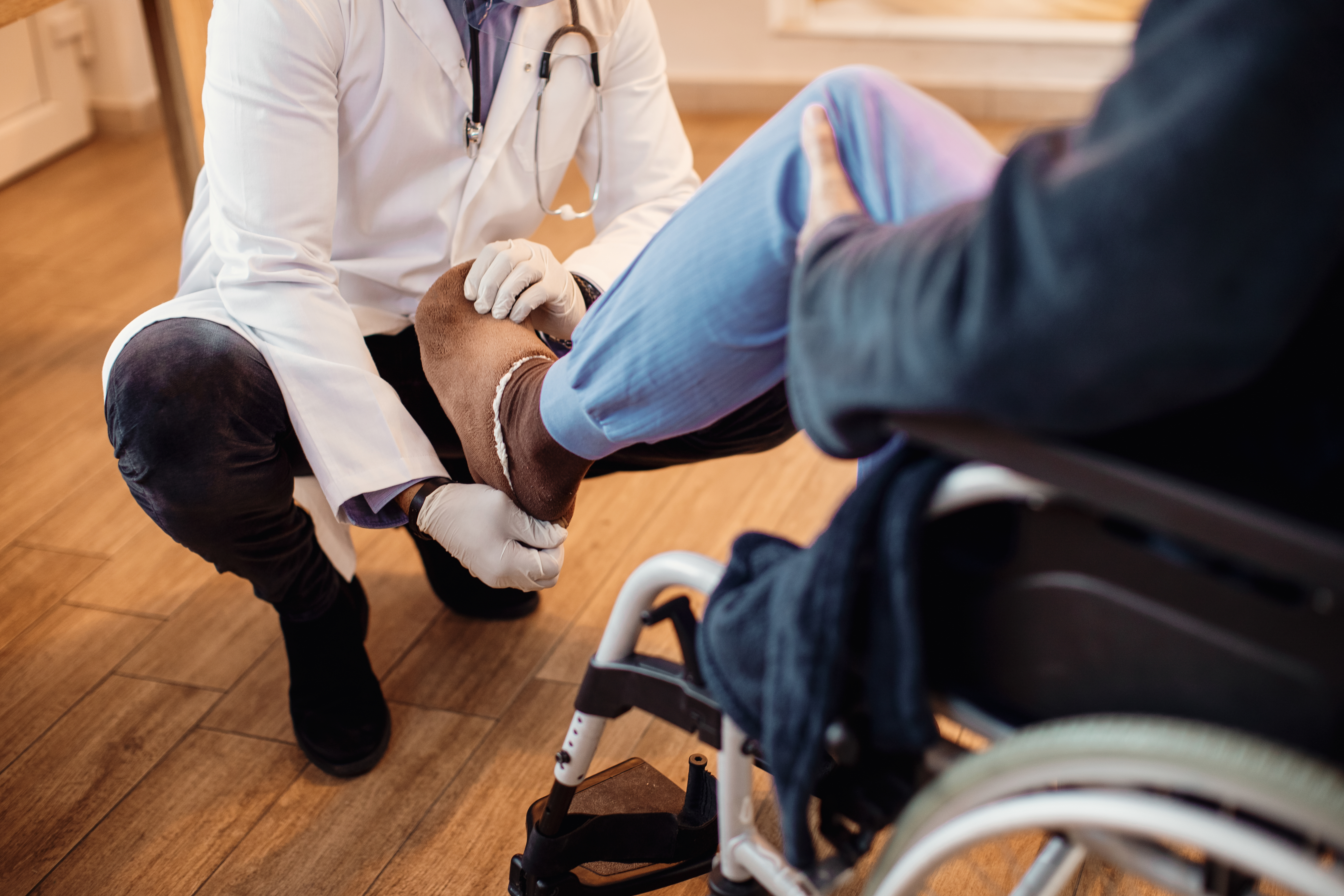
Fall Prevention Awareness Month - Sept. - Tips for Businesses

Cyber Insurance for Businesses: What You Need to Know

Risk Management in Construction Projects

Commercial Umbrella Liability

Does Auto Insurance Follow the Car or the Driver?

When Business Growth Outpaces Insurance Coverage

Boat Liability Risks Most Owners Don’t Think About

Essential Workplace Heat Safety Tips for Hot Weather

Smart Insurance Tips for Protecting Your Summer Vehicles

The Hidden Dangers Small Businesses Face When Underinsured

Staying Safe Behind the Wheel During Distracted Driving Awareness Month

Spring Maintenance Tips for Commercial Properties

Smart Add-Ons That Strengthen Your Commercial Insurance

8 Common Insurance Myths That Could Leave You Unprotected

Spring Safety Tips for Commercial Drivers

Spring Construction Insurance Essentials for Contractors

Why Commercial Umbrella Insurance Is Crucial Today

Understanding Business Interruption Coverage

Secure Your Holiday Joy: Protect Valuables with Insurance

Winter Prep for Commercial Properties

Essential Winter Preparation Tips for Homeowners

Fall Event Liability: Protecting Your Business This Season

8 Smart Strategies to Prevent Jobsite Theft & Vandalism

Deer Collision Safety Tips for Fall Travelers

Embrace Fall with These Essential Safety Tips

Child Passenger Safety: Tips for Safe Car Seat Installation

100 Days Left: Essential Commercial Insurance Check

100 Days Left: Your Personal Insurance Checklist

Insurance Essentials for Safer Construction Projects

Navigating Insurance Needs for College Students

Contractor License Bonds: A Key to Success and Compliance

National Traffic Awareness Month: Enhancing Trucking Safety

Demystifying Commercial Property Insurance Responsibilities

Important Insurance Tips for Hiring Summer Workers

Does General Liability Cover 1099 Workers?

Three Essential Insurance Tips for New Homeowners

Summer Home Prep: Upgrade and Protect Your Property

Summer Prep Tips for Commercial Properties

Understanding Auto Insurance: Protecting Against the Unexpected
